
Battle of the Arrows: Samaná Peninsula's Legacy
Explore the historic Battle of the Arrows in the Samaná Peninsula, the first recorded clash between the Taíno people and Spanish colonizers in 1493, and uncover the rich legacy of Samaná Bay.
SAMANASAMANA HISTORYTRAVEL TO SAMANA
12/16/20255 min read
Introduction to the Samana Peninsula
The Samana Peninsula, located on the northeastern coast of the Dominican Republic, is a geographically significant region characterized by its striking landscapes and rich cultural heritage. Surrounded by the Atlantic Ocean, the peninsula extends into the sea, creating a unique coastal environment marked by lush tropical forests, pristine beaches, and diverse ecosystems. This area is not only known for its stunning natural beauty but also its historical significance as a focal point of interaction between the indigenous Taíno people and Spanish colonizers.
Geographically, the Samana Peninsula covers approximately 1,000 square kilometers and is bordered by the Samana Bay to the southwest, which has been historically important for maritime activities and trade. The region's biodiversity contributes to its charm, with a variety of flora and fauna that flourish due to the warm climate and rich soil. Beaches like Playa Rincon and Las Galeras are renowned for their crystal-clear waters, drawing tourists and nature enthusiasts alike, while the nearby Los Haïtises National Park boasts a multitude of caves, mangroves, and limestone formations.
Historically, the Samana Peninsula has served as a witness to significant events, particularly during the early 16th century when the Taíno people first encountered European colonizers. These interactions initiated a series of cultural exchanges, conflicts, and ultimately, transformations that shaped the region's demographic landscape. The historical narrative of the Samana Peninsula is not only a testament to its cultural resilience but also crucial for understanding the broader context of the Caribbean's colonial past. As the story of the peninsula unfolds, it becomes evident that its geographical features and cultural heritage played pivotal roles in the events that transpired, particularly during the Battle of the Arrows.
The Taíno People and Their Culture
The Taíno people were the indigenous inhabitants of the Caribbean, specifically prominent in regions that include the Samana Peninsula. Their society was rich with cultural practices, a complex social structure, and a profound connection to the land. Prior to European contact in the late 15th century, the Taíno demonstrated a sophisticated way of life that revolved around agriculture, fishing, and gathering.
Agriculture was the backbone of the Taíno economy, as they cultivated essential crops such as cassava, sweet potatoes, maize, and various fruits. Utilizing slash-and-burn techniques, they ensured sustainable farming practices that allowed for crop rotation and preservation of soil fertility. The Taíno also engaged in fishing, which supplemented their diet, and they practiced hunting and gathering as secondary means of sustenance. Their ability to live harmoniously with nature is a testament to their extensive environmental knowledge and resource management skills.
Socially, Taíno society was organized into chiefdoms, each led by a cacique, or chief. This hierarchical structure dictated social roles and responsibilities, with a clear division between nobles, commoners, and slaves. The caciques held authority over their people, making decisions that affected their communities. The Taíno also placed great importance on community and collective living, celebrating cultural rituals and community gatherings that strengthened social bonds.
Spirituality was deeply embedded in Taíno culture. They worshipped several deities, with a belief system that revered the spirits of nature, ancestors, and the land itself. Ceremonies and rituals often involved music, dance, and art, providing insights into their worldview and connection to the divine. Understanding the Taíno culture is essential for appreciating the emotional and cultural dynamics that framed the events surrounding the Battle of the Arrows, showcasing the profound impact of their heritage on historical narratives.
The Encounter: The Battle of the Arrows
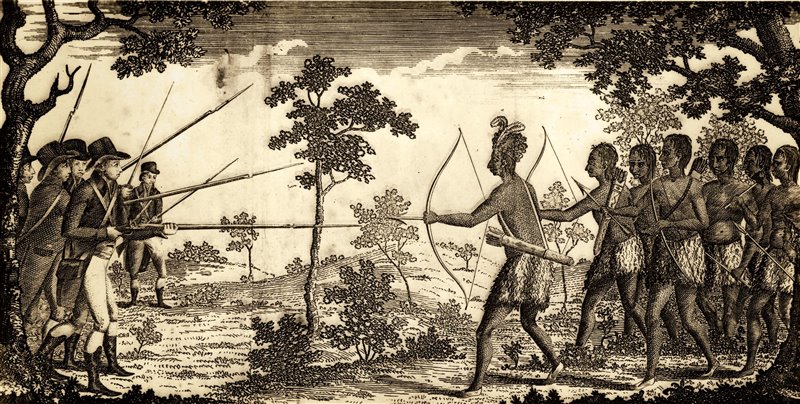
The Battle of the Arrows represents a pivotal moment in the history of the Samana Peninsula, serving as a microcosm of the larger conflict between indigenous peoples and European colonizers. This confrontation arose in the early 16th century, fueled by the encroachment of Spanish forces into Taíno territories. The Taíno, a prominent indigenous group in the Caribbean, fiercely protected their lands and way of life, leading to escalating tensions with the Spanish explorers who sought to exploit these resources.
As Spanish powers advanced, the Taíno warriors prepared for battle, employing tactics that showcased their intimate knowledge of the terrain. Utilizing bows and arrows, their weapon of choice, the Taíno made strategic use of the dense forests and natural landscapes of the Samana Peninsula. This mastery of guerrilla warfare allowed them to leverage their environment as both a shield and a weapon against the foreign invaders. While the Spanish boasted superior weaponry, including firearms and steel, the agility and familiarity of the Taíno forces were equally formidable.
In the buildup to the battle, both sides displayed profound miscalculations about the other's capabilities and intentions. The Taíno viewed the Spanish as a threat to their autonomy, leading to their resolute defense of the territory. Conversely, the Spanish hoped to swiftly conquer and dominate the region, underestimating the resistance they would encounter. The battle unfolded with fierce confrontations, wherein Taíno warriors utilized their exceptional archery skills and tactical formations to inflict various casualties on the Spanish forces.
The implications of the Battle of the Arrows extended beyond the immediate conflict. It marked an important resistance effort by the Taíno against colonization, highlighting the struggles faced by indigenous peoples throughout the Americas. Furthermore, this encounter set a precedent for subsequent relations, revealing the complexities and nuances involved in the narrative of colonization that would shape future engagements for decades to come.
Legacy and Historical Significance
The Battle of the Arrows stands as a pivotal event in the historical narrative of the Dominican Republic, particularly symbolizing the indigenous resistance against colonization. This confrontation not only underscored the resilience of the Taíno people but also highlighted their struggle to maintain sovereignty in the face of overwhelming external forces. The legacy of this battle has evolved over time, becoming a powerful emblem of national pride and cultural identity for the inhabitants of the Samana Peninsula.
In the aftermath of the battle, the resilience exhibited by the Taíno has been woven into the historical fabric of the Dominican Republic, inspiring countless generations. It has come to represent a broader theme of resistance against colonization, resonating with similar struggles across the Americas. The narrative surrounding the Battle of the Arrows serves as a reminder of the rich history and heritage that the Taíno left behind, contributing significantly to the cultural identity of modern Dominicans.
Today, the legacy of the Battle of the Arrows is commemorated in various ways within the Samana community. Traditional festivals, educational programs, and cultural celebrations often reflect on this critical moment in history, emphasizing the importance of ancestral ties and the enduring spirit of the Taíno. These events not only honor the memory of those who fought but also encourage contemporary Dominicans to connect with their indigenous roots.
Furthermore, as awareness of indigenous rights and cultural heritage grows globally, the legacy of the Battle of the Arrows has gained renewed significance. The event stands as a powerful reminder of the importance of recognizing and preserving the history of marginalized communities. It serves to reinforce the identity of the people of Samana, allowing them to celebrate their Taíno heritage while fostering a deeper understanding of their historical narratives.