
The Meaning Behind Samaná: A Dive into Taíno Heritage
Samaná gets its name from the Taíno Indigenous language, spoken by the island’s original inhabitants. The word (originally Xamaná) referred to the bay and surrounding land and is associated with abundant water and fertile territory. Although Columbus later called the area Golfo de las Flechas, the Indigenous name endured and became the official name of the province, preserving its Taíno heritage.
SAMANASAMANA HISTORY
12/22/20255 min read
The Origins of the Name Samaná
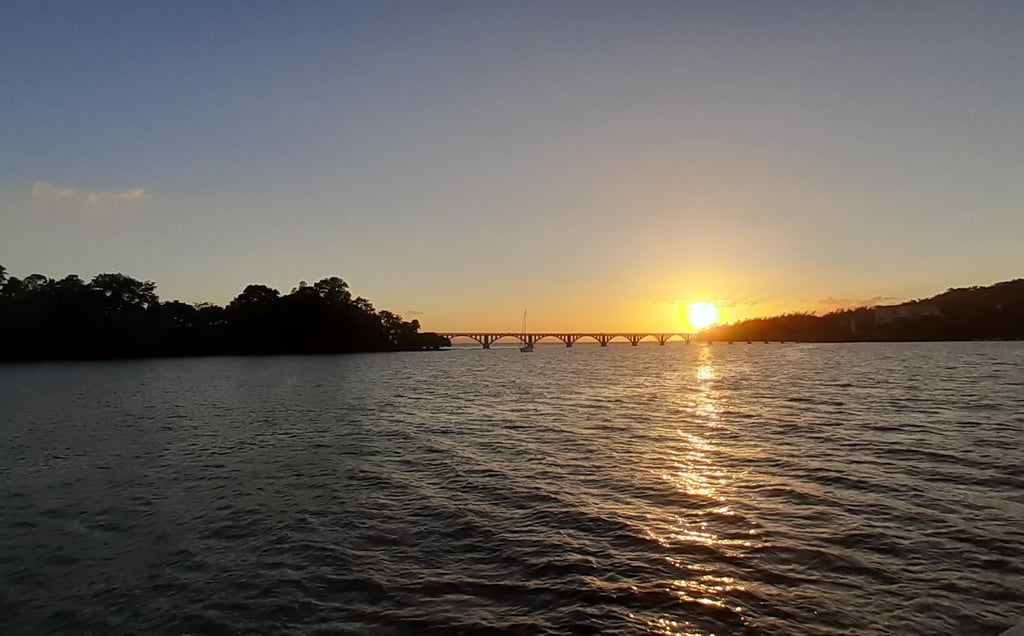
The name Samaná has its roots firmly embedded in the Taíno language, one of the indigenous languages spoken by the Taíno people of the Caribbean. The original form of the name is believed to be 'xamaná,' a term that carries significant meaning tied to both geography and culture. The Taíno word 'xamaná' is thought to translate to 'the place where the water lies' or 'the bay,' a fitting description for the stunning natural harbor of Samaná Bay.
This connection to water is particularly relevant, as the region is known for its beautiful coastal features, including its picturesque bay that has been a haven for fishermen and travelers alike for centuries. The combination of 'xama,' referring to water, and 'nā,' meaning place or location, illustrates the Taíno's close relationship with their environment, emphasizing their reliance on natural resources for sustenance and cultural practices.
Language has served as a vessel for the Taíno to encode their experiences and observations of the world, preserving their heritage through generations. The etymology of Samaná not only reflects the physical landscape but also highlights the importance of language as a means of preserving historical narratives. Furthermore, understanding the roots of Samaná allows us to appreciate how indigenous peoples interpreted their surroundings and the significance of these interpretations in shaping their identity.
As we explore the origins of Samaná, it becomes evident that the name is not merely a geographical marker but a representation of a rich cultural legacy that continues to resonate today. The language, steeped in meaning, offers insights into the lives of the Taíno and their enduring influence on the cultural fabric of the region. Thus, Samaná stands not only as a beautiful destination but also as a testament to the resilience of the Taíno heritage.
Taíno Language and Culture
The Taíno people, one of the indigenous groups who inhabited the Caribbean prior to European colonization, have left a profound legacy that continues to resonate within modern Caribbean cultures. Primarily located in the Greater Antilles, including the island of Hispaniola where Samaná is situated, the Taíno established a vibrant society characterized by agriculture, social organization, and a rich tapestry of beliefs.
Their language, also known as Taíno, is a significant part of this heritage, serving as a vessel for their cultural identity. Although the Taíno language faced decline after European contact, several words remain in contemporary use, seamlessly integrated into the Spanish spoken in the region. Terms such as "hammock" (hamaca), "barbecue" (barbacoa), and "canoe" (canoa) not only reflect the practical aspects of Taíno life but also illustrate the enduring impact of their linguistic contributions.
In addition to language, the Taíno culture encompassed a rich belief system that included reverence for natural elements and ancestral spirits. They considered the land sacred, a perspective that shaped their agricultural practices, ultimately sustaining their communities and ensuring their survival. Daily life was organized around communal farming, fishing, and the exchanging of goods, showcasing their strong sense of community and collaboration.
Furthermore, the Taíno adhered to a matrilineal society wherein lineage and inheritance were traced through the mother, a characteristic that distinguished them from many other contemporary tribes. This societal structure promoted equality among genders, allowing women to hold significant roles within the community. Despite the challenges they faced due to colonization, the Taíno culture and language continue to influence the Caribbean identity, signifying their lasting presence in the region's heritage.
Christopher Columbus and the Renaming of the Region
The arrival of Christopher Columbus in the late 15th century marked a pivotal moment in the history of the Caribbean, particularly for regions like Samaná. Upon his first landing in the New World, Columbus encountered diverse indigenous groups, including the Taíno people who inhabited the land. This encounter led to significant cultural exchanges, albeit often marked by colonial dominance and exploitation. Columbus's expedition resulted in the introduction of European naming conventions, most notably reflected in his christening of various locations.
One prominent example is Columbus's designation of the area as 'Golfo de las Flechas' or 'Gulf of Arrows.' This name, while historically significant, exemplifies the tendency of European colonizers to impose their own nomenclature on landscapes and places that already held indigenous significance. The colonial practice of renaming often disregarded the existing Taíno names, which held profound cultural and historical value for the indigenous people. However, in the case of Samaná, the region appears to have retained its original Taíno nomenclature even amid these sweeping changes.
The preservation of the name 'Samaná' in the face of colonial renaming efforts underscores the resilience of Taíno heritage and identity. While many locations in the Caribbean were subjected to European names that obscured indigenous history, Samaná stands out as a vital reminder of the indigenous legacy interwoven with the land. This retention serves not only as a historical artifact but also as a continuing expression of Taíno culture and language that has survived centuries of colonization and change. The significance of Samaná as a locus of Taíno heritage invites further exploration of the complex interplay between indigenous and colonial narratives in shaping the identity of the region.
Preserving Taíno Heritage Today
In Samaná and the wider Dominican Republic, efforts to preserve and promote Taíno heritage reflect a growing recognition of the importance of cultural identity. The Taíno, as the indigenous people of the region, have left an indelible mark on the cultural landscape, and contemporary initiatives aim to honor and revive this legacy. Various cultural programs have emerged, focusing on indigenous crafts, music, and traditional practices that celebrate Taíno heritage.
Community organizations play a crucial role in this revival. They actively engage local residents in activities that emphasize Taíno customs and teachings, creating a sense of pride in indigenous ancestry. These initiatives often include workshops on traditional farming, crafting techniques, and storytelling sessions that pass down Taíno knowledge and folklore. Moreover, the incorporation of Taíno symbols and motifs into local art and tourism significantly enhances public awareness regarding this part of Dominican cultural history.
Identity movements are also a vital aspect of preserving Taíno heritage. Many individuals in Samaná openly identify with their Taíno ancestors, seeking to reclaim their narrative within a broader societal context. This has led to the establishment of events, such as cultural festivals and educational programs, where the local populace can learn about and celebrate Taíno roots. Such events not only foster community cohesion but also serve as a platform for disseminating information about historical injustices faced by indigenous populations and the ongoing struggle for recognition.
Furthermore, public awareness campaigns targeting different demographics are pivotal to these preservation efforts. They work to inform a broader audience about the significance of Taíno culture, showcasing its contributions to the Dominican identity. Collaboration between local leaders, educators, and cultural custodians is essential in creating a narrative that empowers the community while fostering mutual respect for all cultural identities. Through these various endeavors, the Taíno heritage remains vibrant, ensuring future generations are connected to their ancestral past.