
The Ciguayo: Guardians of Samaná and Their Rich Heritage
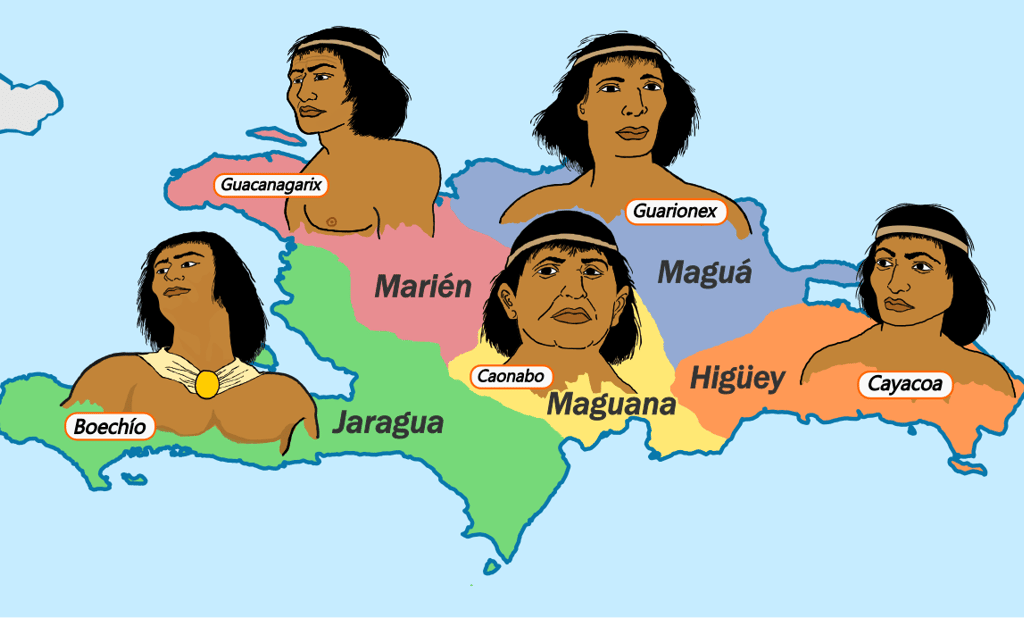
The Ciguayos were an indigenous people who inhabited the northeast of Hispaniola, especially the peninsula of Samaná and adjoining coastal regions like Nagua and the Yuna River basin, before and during the early years of European contact
SAMANA HISTORY
12/22/20258 min read
Introduction to the Ciguayo People
The Ciguayo people are an indigenous group from the Samaná region of the Dominican Republic, known for their rich cultural heritage and unique history. Unlike other Taíno groups, the Ciguayo have a distinct identity that not only emphasizes their own traditions but also showcases their interactions with neighboring communities. Historically, the Ciguayo inhabited the northeastern part of the island of Hispaniola, particularly around the Samaná Peninsula. Their isolation in this lush, mountainous region contributed to the preservation of their cultural practices and language even after the arrival of European colonizers.
One of the most remarkable aspects of the Ciguayo is their advanced knowledge of agriculture, fishing, and hunting. They developed techniques suited to their environment, such as the construction of canoes, which allowed them to navigate the coastal waters for fishing and trade. Their social structures were also notably complex, with a well-defined hierarchy and communal decision-making processes that ensured resource allocation and conflict resolution.
What sets the Ciguayo apart from other Taíno groups is their distinct language and their unique adaptations to the influences that have permeated the region over centuries. Despite facing numerous challenges, including colonial oppression and cultural assimilation, the Ciguayo have managed to retain significant aspects of their heritage. Their community remains committed to preserving their customs through the oral transmission of stories, traditional practices, and celebrations that honor their ancestors.
Today, the Ciguayo people serve as important guardians of their rich heritage, contributing to the cultural diversity of the Dominican Republic. As we delve deeper into their beliefs, traditions, and contemporary challenges, it becomes essential to acknowledge their history and significance not just as a relic of the past, but as vital contributors to the cultural fabric of Samaná and its surroundings.
Geographical Location and Lifestyle of the Ciguayo
The Ciguayo people, an indigenous group of the Dominican Republic, primarily inhabited the northeastern peninsula, particularly the Samaná region. This picturesque locale is characterized by its lush landscapes, mountainous terrains, and proximity to both the Atlantic Ocean and the Caribbean Sea. The geographical features of Samaná greatly influenced the lifestyle and subsistence strategies of the Ciguayo, who adapted to their environment in various ways.
The fertile soil and rich biodiversity of the Samaná area provided the Ciguayo with an abundance of natural resources, which were vital for their survival. They established settlements near coastal areas, utilizing marine resources such as fish, shellfish, and crustaceans. The Ciguayo were skilled fishermen and developed methods to secure these resources sustainably. Additionally, they practiced agriculture, cultivating crops like cassava, maize, and various fruits that thrived in the tropical climate of the region.
Housing structures of the Ciguayo reflected the materials available in their environment. They constructed their homes from local resources such as wood, palm fronds, and thatch, ensuring they were well-suited to the tropical conditions. These dwellings were usually organized in a communal fashion, fostering a tight-knit community structure where cooperation and social bonds were essential for survival.
Moreover, the geographical isolation of the Ciguayo allowed them to develop a unique cultural identity within the larger context of indigenous groups on the island. Their way of life emphasized a harmonious relationship with nature, where their day-to-day activities revolved around the rhythms of their environment. Understanding the geographical location and lifestyle of the Ciguayo provides valuable insights into their rich heritage and cultural practices, illustrating how their surroundings directly shaped their way of living.
Ciguayo Language and Communication
The language of the Ciguayo people is an essential aspect of their cultural identity, deeply intertwined with their traditions and way of life. Linguistically, the Ciguayo language is believed to be related to the Taíno languages spoken by other indigenous groups in the Caribbean. This connection provides valuable insight into the region's historical context and the interactions among various indigenous peoples.
While much of the Ciguayo language has been lost over time due to colonization and cultural assimilation, remnants of this linguistic heritage persist. Efforts to document and revive the language have become increasingly important among the Ciguayo. These endeavors not only focus on vocabulary and grammatical structures but also serve to reinforce the community's identity, fostering a sense of unity and pride among its members.
Language plays a pivotal role in community interactions, facilitating communication and the sharing of knowledge, stories, and traditions. For the Ciguayo, oral history has been a primary method of passing down cultural values and teachings from one generation to the next. Various expressions, such as proverbs, songs, and rituals often contain elements of their language, serving as vessels for their cultural narratives.
Global interest in indigenous languages has inspired scholars and Ciguayo advocates to push for more recognition and preservation. This movement aims to document the linguistic features of the Ciguayo language and promote its use among younger generations. By increasing awareness of their unique communication style and fostering linguistic pride, the Ciguayo community hopes to ensure that their language continues to thrive, contributing to their cultural vitality.
Ciguayo Resistance Against Spanish Contact
The history of the Ciguayo people is marked by their tenacious resistance against Spanish colonization, a testament to their enduring spirit and deep-rooted connection to their land. Following the arrival of Christopher Columbus in the late fifteenth century and the subsequent exploration by Spanish forces, the Ciguayo faced significant threats to their autonomy and way of life. Their response was both fierce and strategic, characterized by a determination to protect their territory and cultural identity.
One notable instance of resistance occurred around 1503, when the Ciguayo engaged in conflict against Spanish invaders who sought to assert dominance over the island of Hispaniola. Employing guerrilla warfare tactics, they utilized the dense forests and mountains to their advantage, launching surprise attacks and ambushing Spanish troops. Their knowledge of the local terrain allowed them to navigate successfully, making it difficult for the colonizers to mount effective retaliatory actions.
The motivations behind the Ciguayo's resistance were deeply rooted in their desire to safeguard their sovereignty and traditional way of life. As the Spaniards imposed new systems of governance and economic exploitation through encomienda practices, the Ciguayo recognized the existential threats posed to their culture, social structures, and land. Moreover, their spiritual beliefs and connection to the land fueled their resolve to resist encroachment and defend their rights.
Despite their valor, the Ciguayo faced overwhelming odds due to the superior weaponry and resources of the Spanish forces. However, their ongoing resistance contributed to a broader narrative of indigenous resilience, highlighting their unwavering commitment to preserving their heritage. The Ciguayos' legacy, marked by valiant efforts against colonization, serves as a poignant reminder of the struggles faced by indigenous peoples in the face of external threats.
Cacicazgo: The Ciguayo Chiefdom Structure
The Ciguayo people, indigenous to the northern region of Hispaniola, exhibited a complex social and political organization known as cacicazgo, a term that describes the chiefdom structure prevalent among various pre-Columbian societies in the Caribbean. The Ciguayo chiefdoms were pivotal in their governance and spiritual practices, establishing a framework that allowed them to maintain autonomy and resist external pressures, notably from Spanish colonizers during their initial encounters.
At the apex of this structure stood the cacique, or chief, who wielded considerable influence over his community. The cacique was not merely a political leader but also acted as a spiritual figure, reinforcing the cultural beliefs and traditions of the Ciguayo people. His authority derived from a combination of hereditary position and community support, ensuring that he was viewed as a legitimate leader. This dual role fostered a strong connection between the Ciguayo governance and their cultural identity.
The council of elders, composed of respected community members, played a significant role in advising the cacique. This system of governance ensured inclusivity and representation, as decisions were often made collectively, reflecting a consensus rather than autocratic rule. Such a democratic approach was crucial, particularly when making decisions regarding warfare, community welfare, and resource management, as it strengthened community bonds and fostered unity in resistance efforts against encroachments.
As Spanish forces began to infiltrate the region, the cacicazgo structure provided a framework for mobilization. The Ciguayo utilized their leadership and organizational skills to mount a defense against the foreign invaders, embodying resilience through their established chiefdom systems. Understanding the intricacies of the Ciguayo chiefdom structure is essential to appreciating their rich heritage and the significant role they played as guardians of Samaná.
Ciguayo Cultural Practices and Beliefs
The Ciguayo people, indigenous to the Samaná region of the Dominican Republic, embody a diverse array of cultural practices and beliefs that are integral to their identity. Their rich heritage manifests through their religious or spiritual practices, which often incorporate elements of animism and ancestral veneration. Central to their spirituality is a belief in the presence of spirits in nature, which fosters a deep respect for the environment and establishes a connection between life and the surrounding ecosystem.
Ceremonies and rituals play a vital role in Ciguayo life. These often mark significant life events such as births, marriages, and funerals, and are characterized by traditional music, dance, and the use of culturally significant symbols. Rituals are not merely social gatherings; they serve to reinforce community ties and preserve the Ciguayo language, stories, and oral traditions. Music and dance are particularly important, with traditional instruments like the maracas and drums accompanying communal celebrations and spiritual practices.
Art is another fundamental facet of Ciguayo culture, showcasing their creativity and worldview. The Ciguayo are known for their intricate pottery, weaving, and carving, each piece often imbued with symbolic meaning that reflects their beliefs and relationship with the natural world. Through these artistic expressions, they tell stories that preserve their history and teach younger generations about their ancestry and values.
Social customs within the Ciguayo community emphasize respect, cooperation, and communal living. Family structures are typically matrilineal, reflecting the importance of women in maintaining cultural continuity and social cohesion. Celebrations of harvests and communal gatherings further illustrate their strong emphasis on community and support systems.
In conclusion, the cultural practices and beliefs of the Ciguayo are a profound testament to their identity, illustrating a rich tapestry woven from religion, rituals, art, and customs. These elements not only enrich their daily life but also contribute significantly to the vibrant heritage that defines the Ciguayo people in Samaná.
The Legacy of the Ciguayo in Modern Samaná
The Ciguayo, a pre-Columbian indigenous group of the Dominican Republic, have left an indelible mark on the culture and heritage of Samaná. Although the Ciguayo were ultimately absorbed into the broader tapestry of Caribbean life, their legacy persists in various forms that are evident in contemporary society. The descendants of these original inhabitants actively work to preserve their ancestral traditions, ensuring that the rich history of the Ciguayo is not lost to modernity.
One of the most significant ways in which the Ciguayo influence is seen today is through cultural events and festivals that celebrate indigenous heritage. These events often incorporate traditional music, dance, and storytelling, which serve not only as entertainment but also as powerful vehicles for transmitting historical narratives. Through these practices, the community keeps alive the memory of their ancestors and educates younger generations about Ciguayo heritage.
Moreover, the legacy of the Ciguayo extends to local crafts and artisanal practices. Skilled artisans in Samaná create traditional handicrafts inspired by Ciguayo designs and motifs, blending historical techniques with contemporary aesthetics. This craftsmanship not only supports the local economy but also acts as a form of cultural expression, linking the present with the past in a tangible manner.
It is also important to note that the Ciguayo have influenced the region's identity. Their historical narratives contribute to a sense of belonging and pride among those in Samaná, framing the area as a diverse and culturally rich environment. As modern Samaná grapples with globalization and cultural shifts, the stories and contributions of the Ciguayo remain a vital part of the dialogue surrounding local history.
In conclusion, the enduring legacy of the Ciguayo in Samaná serves as a testament to the resilience and adaptability of indigenous cultures. Their influence is woven into the fabric of local traditions, art, and identity, reminding contemporary society of the importance of honoring and preserving ancestral heritage. The Ciguayo people, through their descendants, continue to inspire and educate, ensuring that their rich cultural legacy persists well into the future.