
Samaná Bayport Cruise Terminal: A New Gateway to the Caribbean
The Samaná Bayport cruise terminal in the Dominican Republic is scheduled to officially begin operations in October 2025, timed with the start of the Caribbean cruise season.
SAMANASAMANÁ BAYPORTSAMANA PLACES
12/21/20254 min read
Introduction to Samaná Bayport Cruise Terminal
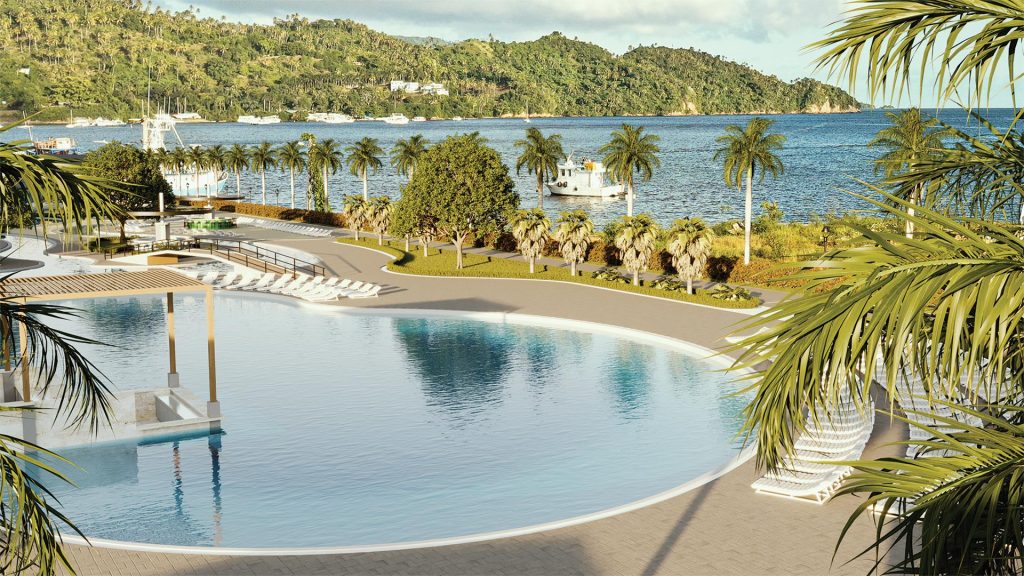
The Samaná Bayport Cruise Terminal is poised to become a significant asset in the Caribbean cruise industry, strategically located in the picturesque region of Samaná, Dominican Republic. This terminal, scheduled to commence operations in October 2025, is expected to redefine the region's status as a premier cruise destination. Boasting an unparalleled natural beauty characterized by lush landscapes and serene beaches, Samaná offers an attractive backdrop for cruise lines targeting discerning travelers.
As an integral part of the Dominican Republic’s tourism infrastructure, the Samaná Bayport Cruise Terminal will not only enhance accessibility to this stunning region but also foster economic growth. By facilitating the arrival of numerous cruise ships, it is anticipated that a significant influx of tourists will visit Samaná, leading to increased spending in local businesses such as restaurants, shops, and tour services. This will create job opportunities and stimulate growth in sectors directly tied to tourism.
The importance of this new terminal extends beyond immediate economic benefits; it represents a commitment to enhancing the visitor experience through sustainable and responsible tourism practices. The development of the Samaná Bayport Cruise Terminal will likely incorporate modern amenities while preserving the natural charm that attracts cruise travelers. Thus, the project aligns with the Dominican Republic's broader strategy to bolster its reputation as a safe and enjoyable destination for international visitors.
In conclusion, the upcoming Samaná Bayport Cruise Terminal reflects the Dominican Republic's vision for growth and sustainability in tourism. With its strategic location and potential for economic revitalization, this terminal is expected to play a crucial role in shaping the future of the region's tourism landscape.
Upcoming Operations Timeline and Features
The Samaná Bayport Cruise Terminal marks a significant development in Caribbean tourism, with its operations scheduled to commence in October 2025. This launch is strategically timed to coincide with the peak Caribbean cruise season, which typically runs from October to April. The decision to align the terminal's opening with this busy period underscores the commitment to enhancing not only the travel experience but also the economic prospects for the region.
With an impressive capacity, the Samaná Bayport Cruise Terminal is designed to accommodate multiple cruise ships simultaneously, welcoming thousands of passengers per day. The terminal will feature a modern architectural design that harmonizes with the natural beauty of the surrounding bay. The facilities will include spacious waiting areas, duty-free shopping, and multiple dining options that cater to a variety of tastes, ensuring that passengers have an enjoyable experience while ashore.
Furthermore, the terminal promises to offer several special services aimed at enriching the visitors' experience. These may include guided tours of Samaná's cultural landmarks, adventure excursions, and easy access to local transportation, thereby allowing passengers to explore the stunning landscapes and vibrant culture of the Dominican Republic. In addition, the terminal is set to incorporate eco-friendly technologies into its operations, reflecting a growing commitment within the cruise industry to promote sustainability.
As the opening date approaches, anticipation among cruise operators, passengers, and stakeholders is steadily growing. The Samaná Bayport Cruise Terminal is poised to become a vital hub in the Caribbean, enhancing connectivity and drawing more cruise traffic to this captivating region.
Safety Certifications and International Standards
In the realm of cruise operations, safety and security are paramount. The Samaná Bayport Cruise Terminal is committed to upholding the highest safety standards, which is evidenced by its adherence to various international safety certifications. Notably, the terminal has implemented the International Ship and Port Facility Security (ISPS) Code, a critical framework established by the International Maritime Organization (IMO) to enhance the security of maritime operations.
The ISPS Code sets stringent requirements for port facilities and ships concerning port security assessment, the development of a comprehensive security plan, and the appointment of designated security personnel. By complying with these robust guidelines, the Samaná Bayport Cruise Terminal enhances its capability to monitor and manage potential security threats, ensuring that passengers and crew members alike can travel with peace of mind.
In addition to the ISPS Code, the terminal also adheres to the Port Facility Security (PBIP) standards, which emphasize risk assessment, drawing attention to vulnerability and providing strategies for addressing potential security breaches. The PBIP framework supplements the ISPS Code by offering clear recommendations tailored to the specific security needs of port facilities. Implementing these protocols reinforces the terminal's status as a safe entry point for cruise lines and travelers, assuring them of comprehensive safety measures against various security threats.
Moreover, obtaining these safety certifications not only elevates operational safety but also enhances the terminal's reputation within the cruise industry. Cruise lines prioritize ports that demonstrate compliance with international safety standards, creating a competitive advantage for Samaná Bayport. Travelers can therefore enjoy their cruise experience, confident in the knowledge that their safety is prioritized through adherence to globally recognized security practices and guidelines.
Economic and Cultural Impact on Samaná
The opening of the Samaná Bayport Cruise Terminal is anticipated to significantly influence the region's economic landscape. One of the most immediate effects is the potential job creation that the terminal will bring. As cruise ships begin to dock in Samaná, there will be an increase in demand for various services including hospitality, transportation, and tour operations. This surge in tourism-related activities is expected to create numerous jobs, ranging from entry-level positions to more specialized roles in management and customer service.
Moreover, the terminal is likely to provide a substantial boost to the local economy through increased spending by tourists. Visitors arriving via cruise ships generally spend on local attractions, dining, and shopping. This influx of spending can help small businesses thrive and foster an environment of economic growth that benefits the entire community. It is crucial, however, for local businesses to prepare adequately to meet the expectations of a diverse international clientele.
In addition to economic ramifications, the cruise terminal serves as a cultural bridge. It provides a platform for showcasing Dominican culture to an international audience. Local artisans, musicians, and culinary experts can leverage this opportunity to promote their crafts and traditions, thereby enhancing cultural exchange. Highlighting Dominican heritage can enrich the visitor experience, making their stay in Samaná not just about leisure but also about meaningful engagement with the local way of life.
Implementing sustainable tourism practices will be essential to balance the economic benefits with environmental stewardship. The local government, in collaboration with stakeholders, must promote initiatives that minimize the environmental impact of increased tourist activities while preserving Samaná's natural beauty. This includes encouraging eco-friendly tours, supporting local farmers and craftspeople, and ensuring the protection of the region's natural resources. In doing so, Samaná not only strengthens its economy but also maintains its cultural integrity for future generations.