
Discover La Chorcha: San Peter Evangelical Church
Explore La Chorcha, the historic San Peter Evangelical Church in Samaná. This cultural landmark has been a testament to Afro-American heritage, faith, and history since 1901.
SAMANASAMANA HISTORYTRAVEL TO SAMANA
12/16/20257 min read
Introduction to La Chorcha
La Chorcha, formally recognized as the San Peter Evangelical Church, holds a prominent position in the historical landscape of Santa Bárbara de Samaná, Dominican Republic. This church is not merely a place of worship; it is a symbol of the cultural and historical tapestry that exists within the region. The name "La Chorcha" is derived from the English word 'church,' reflecting the significant influence of English-speaking Afro-American settlers who migrated to the area in the 19th century. These settlers contributed to the unique blend of cultures that define Samaná today.
Constructed in the late 1800s, La Chorcha represents not only a religious institution but also a communal gathering space, serving the Afro-American community during a time of considerable social change. Following the Haitian Revolution, many former slaves sought refuge in Samaná, and the establishment of San Peter Evangelical Church allowed them to practice their faith and preserve their identity. The church became a pivotal point for many social and religious activities within the community, reinforcing bonds among its members.
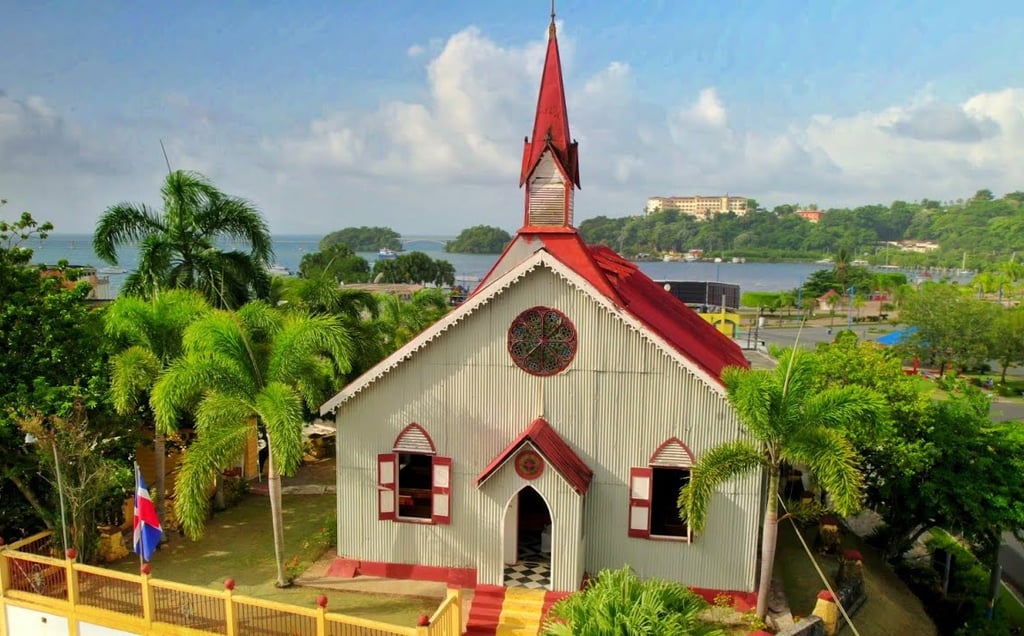
Architecturally, La Chorcha stands out with its distinct design that merges elements of both Gothic Revival and Caribbean styles. Its beautiful stained glass windows and wooden structure showcase the craftsmanship of the era, attracting both locals and tourists alike. Furthermore, La Chorcha has become an integral part of the local identity, symbolizing resilience and the rich history of the Afro-American presence in the Dominican Republic. Today, it not only serves its original purpose as a place of worship but also acts as a heritage site, promoting awareness and appreciation for the historical narratives that shaped the region.
Historical Background
La Chorcha, a remarkable emblem of Samaná, Dominican Republic, stands as a testament to the rich cultural and historical tapestry of the region. Constructed in 1901, this iconic church was built using materials imported from England, a detail that speaks to both the colonial influences of the time and the desire for architectural durability. The importation of these materials highlights the early 20th century's global connections and the exchange of ideas, which were becoming increasingly prevalent. The church’s construction was driven by a burgeoning Methodist population in Samaná, which sought a place of worship that exemplified their religious identity.
The architectural design of La Chorcha reflects typical Protestant influences, showcasing elements that distinguish it from Roman Catholic structures prevalent in the Dominican Republic. These influences can be seen in the church’s elongated form, the prominent use of stained glass, and the overall simplicity of its decor—characteristics that resonate deeply with the Methodist tradition. Furthermore, the design fosters a sense of community, a central theme in Methodist congregational life, encouraging communal worship and active participation among its parishioners.
Understanding the historical context of 19th-century Samaná further enhances the significance of La Chorcha. During this period, Samaná was a melting pot of cultures, driven by immigration, commerce, and the pursuit of religious freedom. The church served not merely as a place of worship but as a cultural hub that fostered social cohesion among the diverse communities residing in the town. This role played by La Chorcha is crucial to appreciating its position within the local history—an institution where faith, community, and cultural identity converge, shaping the lives of its congregants.
Architecture and Design
La Chorcha, the iconic church located in Samaná, boasts a unique architectural style that beautifully marries traditional design elements with local craftsmanship. The structure is predominantly made of local wood, showcasing the skilled artisanship that has been passed down through generations. This choice of material not only accentuates the church’s aesthetic appeal but also integrates it harmoniously into the stunning landscape of Santa Bárbara. The wooden beams, meticulously crafted, form an intricate framework that highlights the artistry involved in its construction.
The architectural layout of La Chorcha reflects a transition to a more traditional style, reminiscent of colonial churches found throughout the Caribbean. Its elevated platform and arched windows provide a sense of grandeur while maintaining a modest, welcoming atmosphere. The exterior is characterized by its simple symmetry, which is complemented by the intricate wooden detailing on both doors and window frames. These details serve as testaments to the local cultural influences that have shaped the church over the years.
Internally, La Chorcha presents a spacious nave with wooden ceilings that are both visually stunning and acoustically effective, enhancing the auditory experience of the church services held within. The interplay of light through the stained glass windows projects vibrant colors onto the interior walls, creating a warm and inviting ambiance. The crafting of the altar and surrounding fixtures showcases the blend of religious iconography with local artistic traditions, further exemplifying the church's cultural significance.
In essence, La Chorcha stands not solely as a place of worship but as a monument to the unique architectural heritage of the region. Its design encapsulates the essence of Samaná, intertwining faith, history, and the artistry of its people within a framework that continues to inspire and draw visitors from around the world.
The Great Fire of 1946
On the night of December 23, 1946, a catastrophic fire swept through the town of Samaná, leaving devastating consequences in its wake. The blaze began in an area close to the central square, and rapidly consumed a significant portion of the town, ultimately threatening the iconic La Chorcha church. The fire's ferocity was intensified by strong winds, which caused the flames to leap from building to building. The conflagration resulted in the loss of many homes and businesses, profoundly altering the landscape of Samaná.
La Chorcha, known for its historical and cultural significance, was not left unscathed. Although the flames reached precariously close to the church, the resilient structure endured the ordeal thanks to its solid construction. Many locals attribute the church's survival to its remarkable architectural design, which allowed it to withstand the fire’s heat better than other buildings. However, the damage to the town deeply affected the community, given the church's status as a beacon of faith and heritage.
Following the fire, the citizens of Samaná rallied together to initiate restoration efforts for La Chorcha. This endeavor showcased the unwavering commitment of the community to preserve its cultural heritage. Volunteers, including local artisans, came forward to assist in repairing the charred areas of the church and restoring its intricate designs. Over the years, these collective efforts led to the successful revitalization of La Chorcha, ensuring that it remained a pivotal part of Samaná's identity.
This tragic event, while devastating, highlighted the resilience of both the people of Samaná and the enduring presence of La Chorcha. The community’s determination to rebuild their lives and restore their cherished church exemplifies the human spirit’s ability to overcome adversity, ultimately solidifying La Chorcha’s significance even further in the collective memory of the town.
Cultural Significance
La Chorcha stands as a monumental edifice in Samaná, reflecting not only religious beliefs but also the rich tapestry of cultural identity that defines this unique community. Constructed in the mid-nineteenth century, the church serves as a historical marker of the Afro-American heritage that is prominent in this coastal town. The architectural style and vibrant colors of La Chorcha are a visual representation of the blending of various cultural influences that have shaped Samaná over the years.
The church functions as more than a place of worship; it is a vital community hub where local inhabitants gather for social events, festivals, and significant life milestones such as weddings and baptisms. This multi-faceted role reinforces the idea that La Chorcha is integral to the community’s identity, as it embodies the collective memory and shared values of its people. Beyond its physical structure, La Chorcha is a symbol of resilience and continuity, embodying the narratives of its Afro-American roots while embracing contemporary influences.
Furthermore, the church plays a crucial role in preserving cultural practices that are unique to the Dominican context, such as traditional music, folklore, and communal gatherings. These practices resonate deeply within the local community, promoting a sense of belonging among residents. La Chorcha acts as a beacon of cultural heritage that attracts not only local worshippers but also visitors eager to understand the complex history of Samaná. This blend of religious significance and cultural heritage fosters a unique atmosphere where the past and present coexist harmoniously. Emphasizing the pivotal role of La Chorcha in community life allows for a deeper appreciation of its enduring importance in Samaná.
Visiting La Chorcha Today
La Chorcha, officially known as the Church of Our Lady of the Rosary, is a historical gem located in the coastal town of Samaná, Dominican Republic. Visitors eager to explore this landmark will find it situated on a hill that overlooks the picturesque bay, providing breathtaking views of the surrounding landscape. The church is conveniently accessible via local transportation, including taxis and buses, which are readily available within the town. For those who prefer walking, the journey from the town center to La Chorcha offers the opportunity to embrace the charming street life of Samaná.
The church is open for visitors from Monday to Saturday, with visiting hours generally ranging from 8 AM to 6 PM. On Sundays, the church hosts services, which start in the morning, limiting access to tourists during these times. As a result, it is advisable to plan visits on weekday mornings or afternoons for a more serene experience. During a visit, one can expect to witness not only the architectural beauty of the church but also the vibrant local community that often gathers for events and celebrations.
Conclusion: A Symbol of Resilience
La Chorcha stands as a testament to the rich history and cultural heritage of Samaná, embodying the spirit of resilience that characterizes both the church itself and the community it serves. Originally constructed in the mid-19th century, this historic church not only reflects the architectural styles of its time but also encapsulates the stories and struggles of the people who have worshiped within its walls. Over the years, La Chorcha has witnessed significant events, both joyous and tragic, making it a witness to the evolving narrative of the Samaná community.
The significance of La Chorcha extends beyond its physical structure; it serves as a pivotal gathering place for residents of Samaná, uniting them in faith, culture, and tradition. Each religious service, community event, and cultural celebration held within the church fosters a sense of unity among the locals, reinforcing their collective identity. The church also plays a vital role in preserving the historical narratives of Samaná, as it stands as a living monument to the legacy of its inhabitants and their unwavering spirit through adversities.
Furthermore, La Chorcha has become an iconic landmark within the region, drawing the interest of not only locals but also tourists intrigued by its historical relevance and architectural beauty. Its picturesque setting among the lush landscapes of Samaná further accentuates its appeal, encouraging visitors to connect with the vibrant culture of the Dominican Republic. Ultimately, La Chorcha represents more than just a religious building; it signifies the perseverance and dedication of the Samaná community to maintain their heritage and foster a space where collective hope and resilience can thrive.