
Best National Parks in Samaná, Dominican Republic
Explore the stunning national parks in Samaná, Dominican Republic, including Los Haitises, Cabo Cabron, the Whale Sanctuary, and the breathtaking El Limón Waterfall. Discover nature's beauty and adventure in this tropical paradise.
NATIONAL PARKSSAMANA PLACESSAMANA
12/19/20257 min read
Introduction to Samaná's National Parks
Samaná, a breathtaking region located in the northeastern part of the Dominican Republic, is renowned for its stunning landscapes, rich culture, and remarkable biodiversity. This area is often celebrated as a haven for nature lovers, thanks to its several national parks that showcase the remarkable ecological variety present in the Dominican Republic. The national parks in Samaná serve as vital ecosystems, contributing to the environmental health of the region while attracting countless visitors eager to explore its natural wonders.
The significance of Samaná's national parks extends beyond mere aesthetics; they are essential for conservation efforts. These protected areas host an array of unique flora and fauna, some of which are endemic to the region, meaning they exist nowhere else on Earth. The diverse habitats found within these parks range from lush rainforests and pristine beaches to rugged mountains, each supporting distinct ecosystems. This variety plays a critical role in sustaining local wildlife, including many bird species and marine life, making Samaná an attractive destination for birdwatchers, hikers, and adventurers alike.
Moreover, Samaná’s national parks are integral to the local economy, as they draw nature enthusiasts from around the globe. Visitors flock to experience activities such as hiking, birdwatching, and eco-tours, which not only foster a deep appreciation for nature but also promote sustainable tourism. In summary, the national parks of Samaná stand as a testament to the region's natural marvels, inviting exploration and offering opportunities for adventure while serving as critical protectors of the island's biodiversity.
Los Haitises National Park: A Gem of Biodiversity
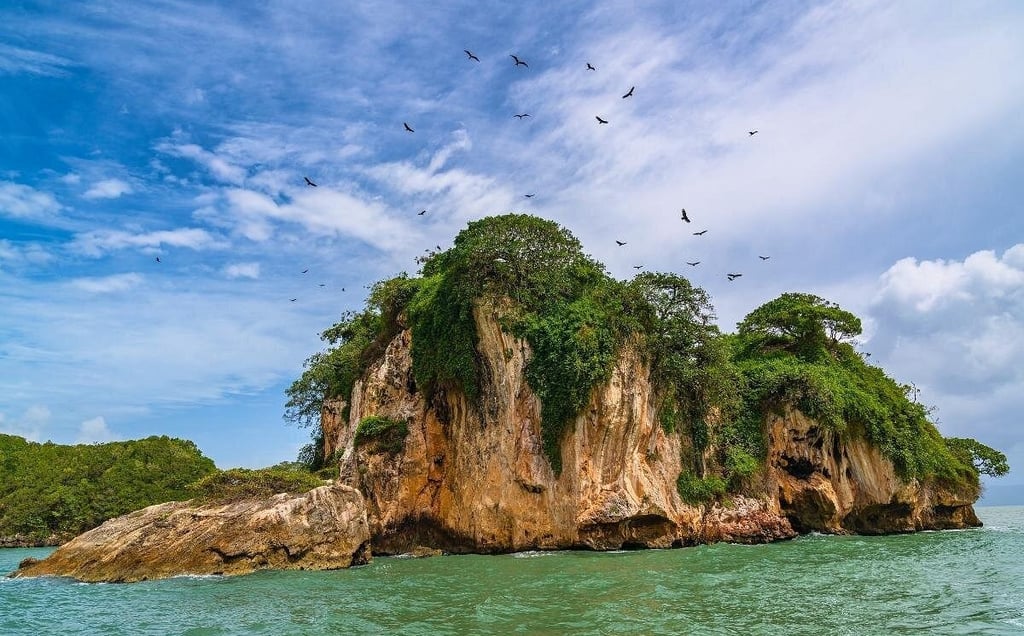
Los Haitises National Park, located in the northeastern region of the Dominican Republic, is renowned for its exceptional biodiversity and stunning natural beauty. The park encompasses a unique combination of lush rainforests and extensive mangrove forests, contributing to its rich ecological tapestry. Spanning over 1,600 square kilometers, the park features remarkable geological formations, including magnificent limestone karsts that create a breathtaking landscape.
The diversity of ecosystems within Los Haitises National Park supports a wide range of wildlife. Visitors may encounter numerous species of birds, including the endemic Hispaniolan woodpecker and the threatened red-tailed hawk, making the park a prime destination for bird watching enthusiasts. Additionally, the park provides a habitat for various reptiles, amphibians, and mammals, such as the endangered manatee and the locally prevalent hutia. Each ecosystem, from the freshwater lagoons to the dense mangroves, contributes uniquely to the rich wildlife and ecological interactions observed in this diverse environment.
For those interested in outdoor activities, Los Haitises National Park offers numerous opportunities for adventure. Hiking trails wind through the rainforest, providing hikers with access to panoramic views and encounters with the park's diverse flora and fauna. Boat tours are also popular, allowing visitors to explore the intricate mangrove waterways while soaking in the tranquil atmosphere of the surrounding nature. These tours often reveal hidden coves and ancient Taino cave paintings, adding a cultural dimension to the natural exploration.
In summary, Los Haitises National Park stands out as a vital ecological refuge, exemplifying the natural beauty and biodiversity of the Dominican Republic. Its lush landscapes, unique geological features, and rich wildlife make it a must-visit for nature lovers and outdoor enthusiasts alike.
Samaná Bay: A Marine Sanctuary
Samaná Bay is widely recognized as a crucial marine sanctuary, revered not only for its stunning natural beauty but also for its role in the conservation of humpback whales. This rich ecosystem attracts these magnificent creatures annually during their migration season, which typically spans from January to March. During this period, thousands of humpback whales journey from their feeding grounds in the icy waters of the North Atlantic to the warmer, shallower waters of the Caribbean. This awe-inspiring phenomenon provides ample opportunities for whale watching, drawing nature enthusiasts and tourists alike.
Whale watching tours in Samaná Bay allow visitors to observe these large mammals in their natural habitat, as they breach and slap the water with their tails. Tour operators often provide educational insights, emphasizing the importance of protecting these gentle giants and their breeding grounds. Alongside the humpback whales, Samaná Bay is home to a rich diversity of marine life, including dolphins, sea turtles, and an array of tropical fish, all of which contribute to the area's biodiversity.
The importance of conservation efforts in Samaná Bay cannot be overstated. Organizations dedicated to marine research and conservation work tirelessly to ensure that the habitats of these whales and other marine creatures are protected. This not only aids in the survival of these species but also benefits the local communities that rely on eco-tourism as a significant source of income. Through sustainable practices and education about the significance of marine ecosystems, these initiatives foster a deeper respect for nature and encourage a commitment to preserving this stunning marine sanctuary for future generations.
El Limón Waterfall: A Natural Wonder within Samaná
El Limón Waterfall is a breathtaking gem located in the heart of Samaná, Dominican Republic, and serves as a key attraction for visitors seeking the beauty of nature. Surrounded by lush tropical landscapes, this waterfall cascades down approximately 50 meters into a serene pool, creating a spectacular site for nature enthusiasts and adventure seekers alike. Accessing El Limón involves a scenic trek that winds through vibrant foliage and diverse ecosystems, showcasing the rich biodiversity characteristic of this region.
The journey to reach the waterfall is as captivating as the destination itself. Travelers can embark on either a guided tour or choose to hike independently, offering flexibility depending on personal preferences. Trails meander through thick vegetation, where one can encounter various flora and fauna endemic to the area. As you make your way, the sound of rushing water gradually becomes more prominent, heightening the anticipation of experiencing this natural wonder.
Upon reaching El Limón Waterfall, visitors are treated to a stunning display of power and beauty. The turquoise waters invite guests to take a refreshing swim, providing a perfect respite from the tropical warmth. Surrounded by towering cliffs and verdant vegetation, this location serves as an ideal backdrop for photography, allowing visitors to capture unforgettable moments in one of Samaná’s finest natural settings.
For those planning to visit El Limón, it is advisable to wear proper footwear due to the sometimes challenging terrain. Besides, bringing a camera and perhaps a picnic to enjoy by the water can enhance the overall experience. In conclusion, El Limón Waterfall stands as a testament to the exquisite natural beauty found within the region, making it a must-see destination for anyone exploring the best of Samaná's national parks.
Cayo Levantado: A Tropical Paradise
Cayo Levantado, often referred to as Bacardi Island, is a stunning gem located in the turquoise waters of Samaná Bay. This picturesque island is renowned for its pristine beaches, lined with swaying palm trees and soft, golden sands that beckon both locals and travelers alike. The allure of Cayo Levantado is enhanced by its inviting crystal-clear waters, which provide a perfect backdrop for various water-based activities and relaxation.
As a protected area, Cayo Levantado serves as a vital habitat for diverse marine life. This ecological significance is particularly noteworthy, as it allows visitors not only to enjoy the natural beauty of the island but to appreciate its role in sustaining marine ecosystems. The surrounding waters are home to numerous species of fish and corals, making Cayo Levantado an attractive destination for snorkeling enthusiasts. Adventurous visitors can explore underwater wonders while swimming among vibrant fish and colorful coral reefs.
The island also offers ample recreational opportunities, ranging from sunbathing on its stunning beaches to engaging in exciting water sports like kayaking and paddleboarding. For those seeking a more leisurely experience, the beautiful sandy shores and scenic viewpoints are ideal for relaxation and enjoying the serene environment. Additionally, small local vendors provide a taste of Caribbean cuisine, enhancing the overall experience for visitors looking to savor the flavors of the region.
In essence, Cayo Levantado is much more than just a beautiful beach destination. Its significance as a protected area reflects a commitment to preserving the natural beauty of the region, making it an essential stop for nature lovers exploring the best of Samaná’s national parks.
Wildlife and Conservation Efforts in Samaná
Samaná is renowned for its ecological diversity, hosting a wide array of wildlife species that thrive within its national parks. The region supports endemic species such as the Hispaniolan solenodon and the Hispaniolan woodpecker, which are unique to this area. Additionally, Samaná serves as a vital stopover for various migratory birds, making it an ornithologist’s paradise. Birds such as the American flamingo and the red-tailed hawk find refuge in this lush environment, contributing to the rich tapestry of avian life.
Conservation efforts within Samaná are paramount to preserving its rich biodiversity. Numerous organizations and government initiatives are committed to maintaining and restoring natural habitats to ensure that both endemic and migratory species can flourish. These efforts include habitat preservation programs, research initiatives that monitor species populations, and community engagement projects designed to raise awareness about the importance of biodiversity.
Visitors to Samaná's national parks can play a significant role in supporting wildlife conservation. Engaging in eco-friendly tourism activities, such as guided nature walks, birdwatching tours, and volunteering for local conservation programs, empowers tourists to contribute positively to the environment. Furthermore, opting for sustainable travel options, such as choosing accommodations with green certifications, can help mitigate the carbon footprint of tourism in the region.
Educating oneself about the local flora and fauna enhances the travel experience, encouraging a deeper appreciation for the natural world. As travelers explore the breathtaking landscapes of Samaná, their informed choices can foster a culture of respect and preservation for these unique ecosystems. Through these combined efforts, Samaná can remain a sanctuary for wildlife and a destination for nature lovers, evolving concurrently with the needs of both its species and its visitors.
Tips for Visiting Samaná’s National Parks
Exploring the national parks in Samaná offers a unique opportunity to experience the region's diverse ecosystems and stunning landscapes. To ensure a successful adventure, here are some practical tips to consider when planning your visit.
First, timing your visit is crucial. The best months to explore the national parks in Samaná are between December and April, when the weather is more temperate and rainfall is minimal. To avoid the crowds, consider visiting during weekdays—this allows for a more intimate experience with nature.
Before embarking on your journey, check whether any necessary permits are required for the parks you wish to visit. Typically, access to some areas may require a fee, so being prepared can save you time and ensure compliance with local regulations.
When planning your itinerary, consider allocating at least two to three days to fully appreciate the parks. Many notable trails, such as those in Los Haitises National Park, can take several hours or even a full day to hike. Prioritize your routes based on your fitness level and interests, ensuring you include highlights such as mangroves, caves, and unique wildlife sightings.
Essential gear for outdoor activities is vital for an enjoyable experience. Comfortable hiking shoes, weather-appropriate clothing, and plenty of water should be at the top of your packing list. Additional recommendations include sunscreen, insect repellent, and a good-quality camera to capture the breathtaking scenery.
Lastly, be mindful of cultural considerations. Engaging respectfully with local communities enhances your experience and contributes to sustainable tourism. Appreciating the rich culture of Samaná can deepen your understanding of its landscapes.